As a Health and Safety advisor and owner of a small consulting business in the Waikato, I see, hear and feel the pressure every single day. Right now in 2026, New Zealand's small businesses — the ones that keep communities like ours going — face a real crunch. Stagnant growth, heavy compliance demands, and soaring fuel prices are squeezing us from all sides. Just recently, the Sunday Star times has kicked off a new series called ‘under the pump’ investigating how the global fuel crunch is disrupting New Zealand businesses — and how they’re planning to survive.
Recent figures from CPA Australia's 18th Asia-Pacific Small Business Survey paint a tough picture. Only 38% of Kiwi small businesses reported growth in 2025, the lowest in the region and well behind the 62% average. Just 5% plan to launch new products or services, and only 7% expect to hire. To many of us, these are not surprising statistics.
From my dual role advising businesses on safety while also running my own business, I see how compliance costs drain time and money that small operators simply don't have. Small businesses lack big teams that can handle the required administration. The government has proposed the Health and Safety at Work Amendment Bill, which is intended to introduce helpful changes for small businesses. These reforms are currently before the Select Committee and it remains to be seen as to whether the burden on small business will be alleviated by the proposed amendments. In the meantime, the full weight of existing rules around employment, tax filings, KiwiSaver increases, GST, and new transparency requirements is still being felt across the sector. This isn't anything new, however now, it’s in addition to several other economic stresses and strains which is adding to the load.
The fuel shock, or to be more specific, the war in the Middle East, has driven diesel and petrol fuel prices to rise sharply higher this year, with diesel surging dramatically and many pumps pushing past $3.50 a litre. For those in the countryside, fuel isn't optional — it's essential for travel to clients, deliveries, and supply runs. A recent MYOB survey of over 230 SME owners found 55% very or extremely concerned about the impact on pricing and supply. Fuel matters critically to 61% of operations, hitting hardest through higher supplier costs, own fleet expenses, and freight.
As someone who drives rural roads daily, I see the flow-on everywhere. Supplier bills rise, couriers add surcharges, and everything from groceries to materials costs more. Many businesses, including mine, now face tough choices: raise prices for clients, cut spending elsewhere, or adjust hours and logistics. For families like mine, higher fuel also means more expensive weekly shops and school runs.
The real pain comes when these pressures collide. Compliance already stretches thin margins and precious time. Soaring fuel then inflates every trip and delivery, making it harder to stay viable. In rural areas like Waikato, where distances are greater and alternatives fewer, the squeeze feels tighter. We're seeing more business strain and warnings of further closures after a tough 2025.
I remain proud of what small businesses contribute — employing locals, supporting families, and keeping our regions alive. But as both a consultant helping others navigate safety rules and a mum, responsible for the health and wellbeing of my family, I know we need smarter relief; faster digitisation of compliance; targeted support for fuel-dependent operators; and practical incentives for efficient practices. I’m currently working some of these solutions into my business services. Safety Managed regularly assists small businesses navigate the health and safety space, including pre-qualifications and compliance, with affordable digital based solutions and practical advice.
For support other than safety, there are currently some government initiatives in place:
Financial Assistance and Tax Support
Investment Boost (2025): Allows businesses to deduct 20% of the cost of new machinery, tools, or equipment from their taxable income, in addition to normal depreciation.
Business Training and Advice Grants: Available through RBP to help with developing business plans, training in skills, and accessing expert advice.
Self-employment Startup Payment: Financial assistance from Work and Income for those starting a business, potentially covering essential startup costs.
Flexi-wage for Self-Employment: A subsidy to assist with living costs while building a new business.
R&D Support: The government offers tax credits for R&D-intensive businesses to encourage innovation.
Expert Advice and Capability Building
Regional Business Partner Network (RBP): Connects businesses with advice on HR, cash flow, digital capability, and strategy.
Business Mentors New Zealand: Offers, one-on-one, confidential mentoring for up to 12 months for a low cost.
Business.govt.nz: Provides free online tools, including a cash flow forecaster, a "kiwi business boost" for identifying challenges, and resources on AI.
Te Puni Kōkiri: Specialised support and co-funding for Māori business owners and entrepreneurs
Accessing Support
Regional Business Partners (RBP): Register on the RBP network site to discuss needs and access advisor services.
Local Chambers of Commerce: A good source for local networking and advice.
Inland Revenue (IRD): Offers free webinars and online advice for tax compliance. www.connected.govt.nz and business.govt.nz
New Zealand small businesses are resilient, but we're not invincible. Recognising that compliance burdens and fuel volatility aren't just line items — they're daily survival challenges — could help close the gap with our Asia-Pacific neighbours and give small business owners and their families more hope that things will in-fact get better.
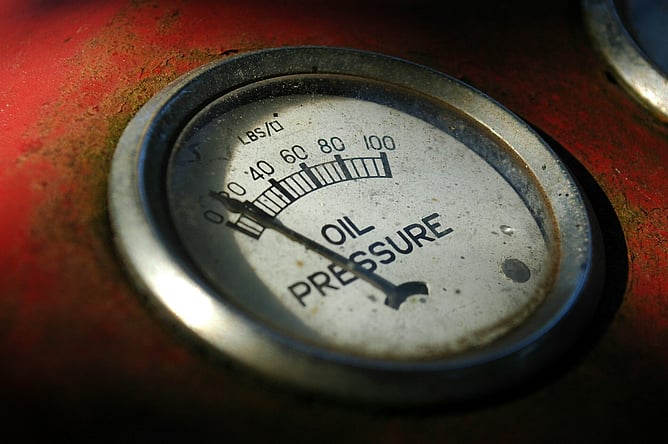
Photo by hidde schalm on Unsplash